Switching Perspective on the What-Ifs
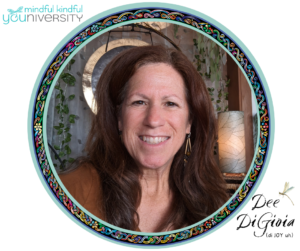
~ by Dee DiGioia
I’m a “what-if” person.
I have been all my life. Most of it is the anxiety-driven catastrophic-thinking kind. The kind that starts with one small worry and, if I let it, turns into a full down-hill spiral: what if this goes wrong, and then what if that happens, and then what if …?
Anxiety has a way of narrating the worst version of the future as if it’s already decided. It’s actually a primitive survival mechanism hard-wired into the brain as an internal alarm system. Your brain uses the imagination to simulate future worst-case scenarios, anticipating potential problems, threats, or harm so you can avoid danger or prepare physically or emotionally for a negative outcome.
An overactive amygdala—the brain’s threat-detection center—misinterprets safe situations as dangerous, triggering a fight-or-flight response. This chronic activation floods the body with stress hormones and impairs the prefrontal cortex (the brain’s rational, calming center), directly causing the racing heart, hypervigilance, and persistent fear associated with anxiety disorders.
Chronic anxiety often stems from a combination of genetic, environmental, and social factors. It is not tied to specific events but seems to permeate every aspect of life, manifesting as generalized worry, excessive fear, and intrusive thoughts.
Symptoms can be managed. It used to hold me back a lot but has eased up over the years with awareness and choosing strategies to stop the spiral. For years, I taught mindfulness based social-emotional learning programs to children, including how to recognize and cope with anxiety and “what-ifs.” Teaching them helped me as well!
Even though I taught it, it doesn’t mean I don’t experience anxiety anymore. It is something I manage. Even as recently as a few weeks ago I started spiraling fast while preparing for the Live Oak Music Festival. I was trying to manage my feelings about first time camping there and first time volunteering at the event for 4 days. The “what-ifs” came flooding in. When I don’t catch myself on the downward spiral, then awareness arises from the reactions from others. They look at me with furrowed brows of confusion as if wondering “why is that such a big worry?” I then am reminded to thank my amygdala for trying to protect me but I’m taking the steering wheel now! None of my catastrophic worst-case scenarios came to fruition. I had an amazing time!
As such, in the last few years, I became aware of what-if thoughts spiraling in a reverse direction…

New Imaginings
Four years ago I bought my first set of crystal sound bowls to help manage my anxieties at a stressful time — a breakup of a long-term relationship and having to return to full time work as a speech-language therapist in the public schools. It was a stressful job that burned me out and I was trying to escape but instead I had to return to it in order to afford my rent that I was now having to pay for on my own.
But “what-ifs” aren’t always catastrophic thinking. I may be a “what-if” person but I also have a creative imagination. I began to imagine new potential and possibilities. I loved how the sound bowls helped me feel, so the what-ifs began flooding in. What if I could learn and study more about sound and healing? What if I could have this be a core offering for Mindful Kindful YOUniversity? What if I used my salary to invest in training and in acquiring more instruments so that I could eventually leave the career in the schools once and for all?
The “what-ifs” became fuel for hope for a new future and I began sharing “sound journeys” with others. And others also love how it helps them feel!
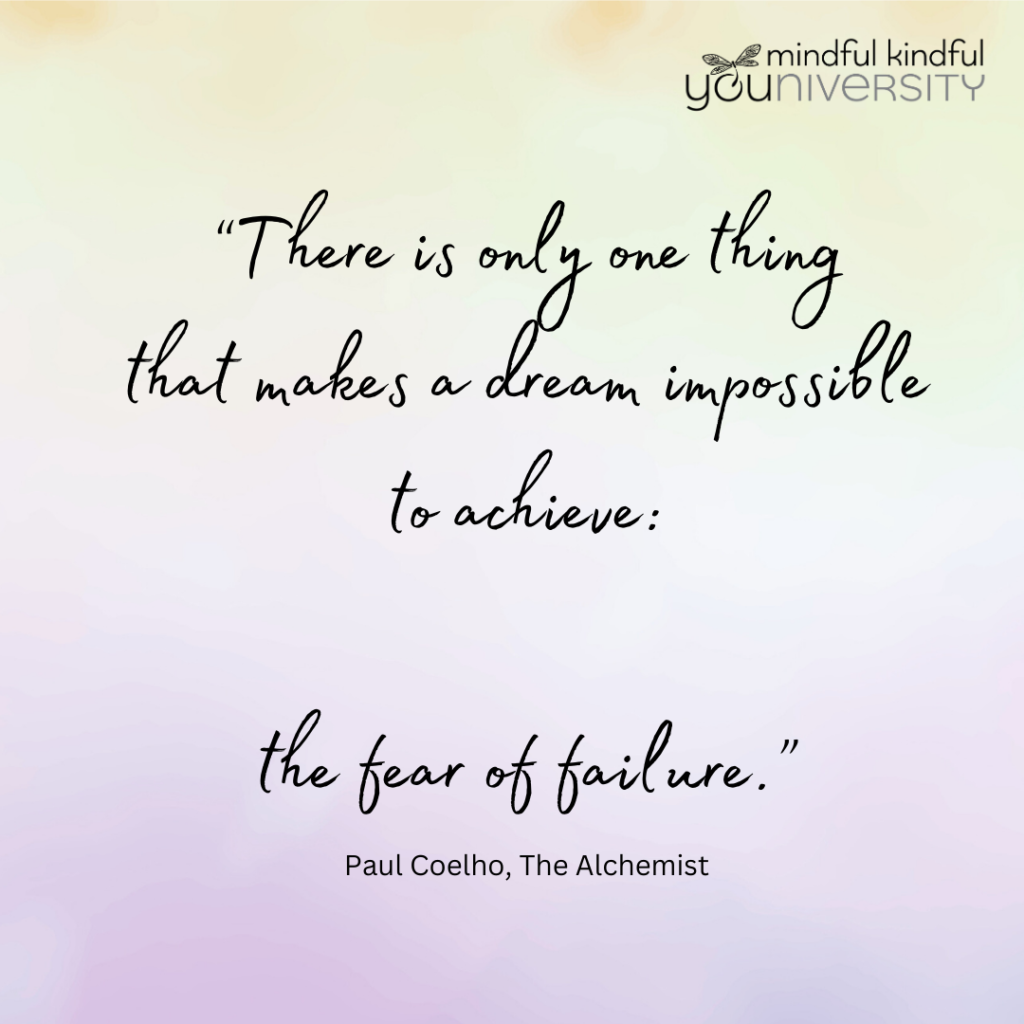
That’s not to say the anxious thoughts didn’t and don’t show up from time to time. What if I’m not good enough? What if people don’t come? What if I fail?
But those are merely whispers that I don’t give much credence to — I let them drift on by like clouds in the sky. They no longer stick like velcro. They slide off like teflon!
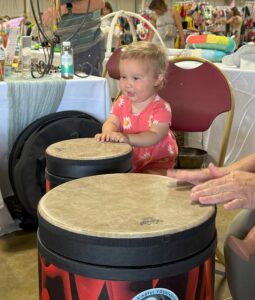
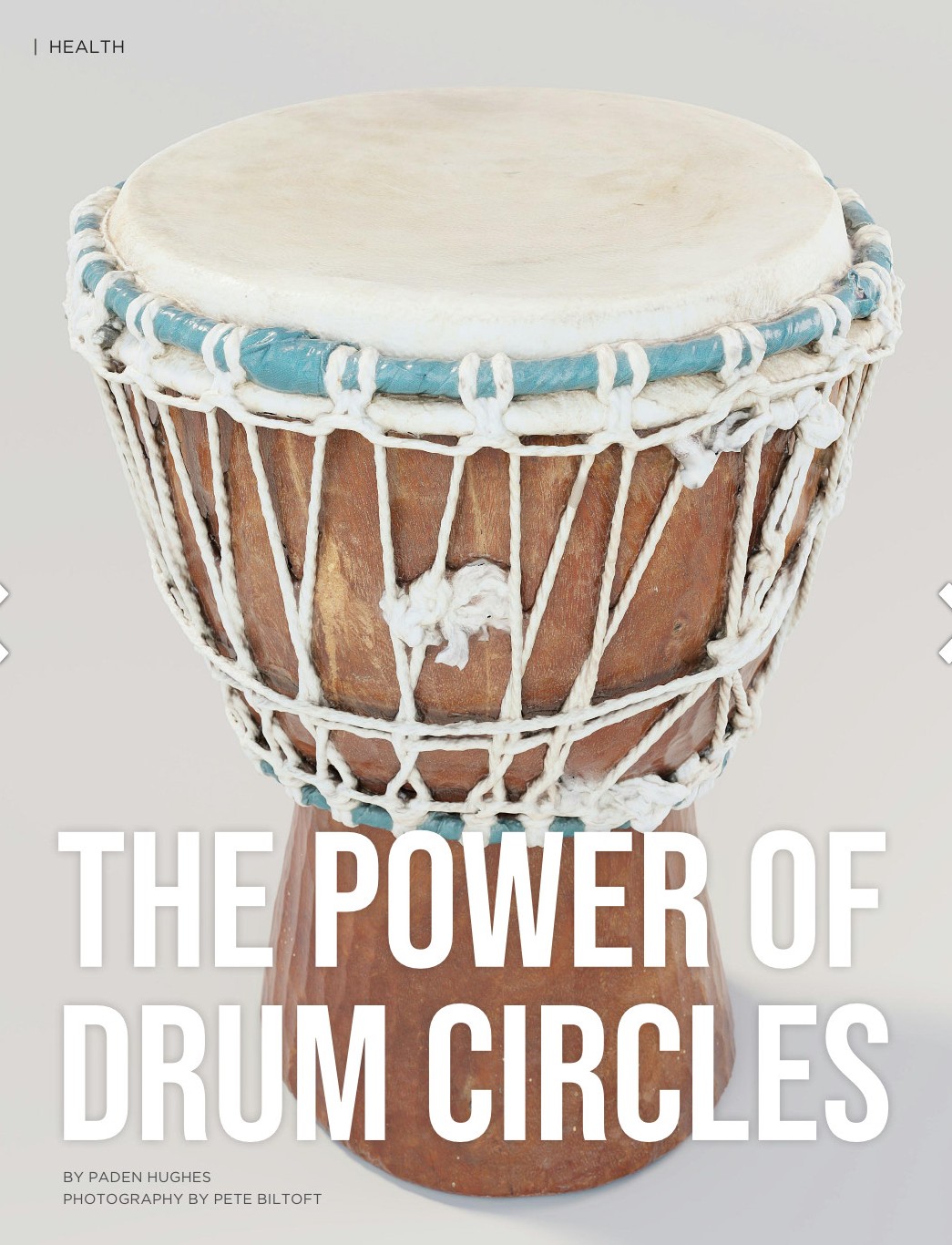
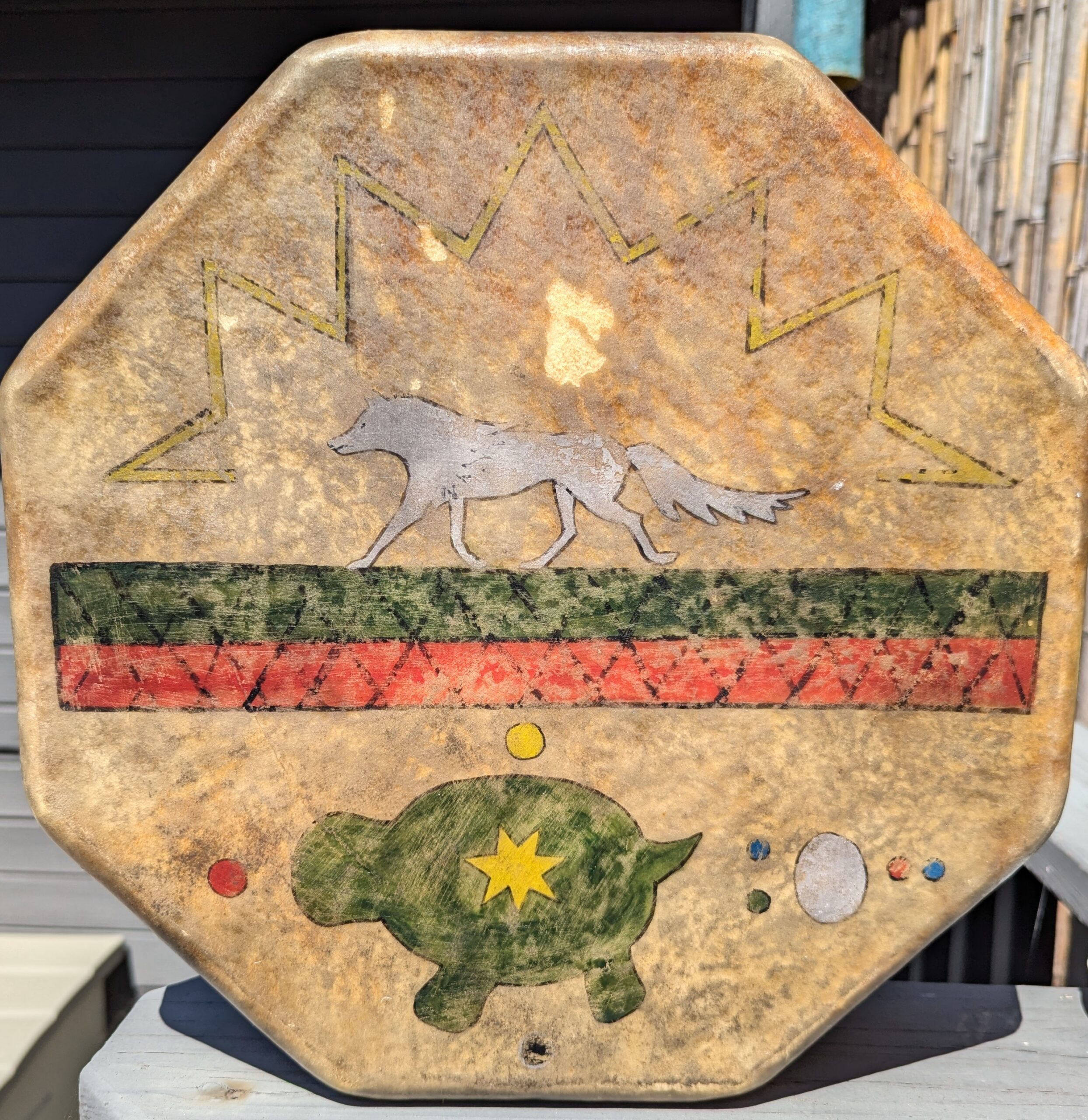
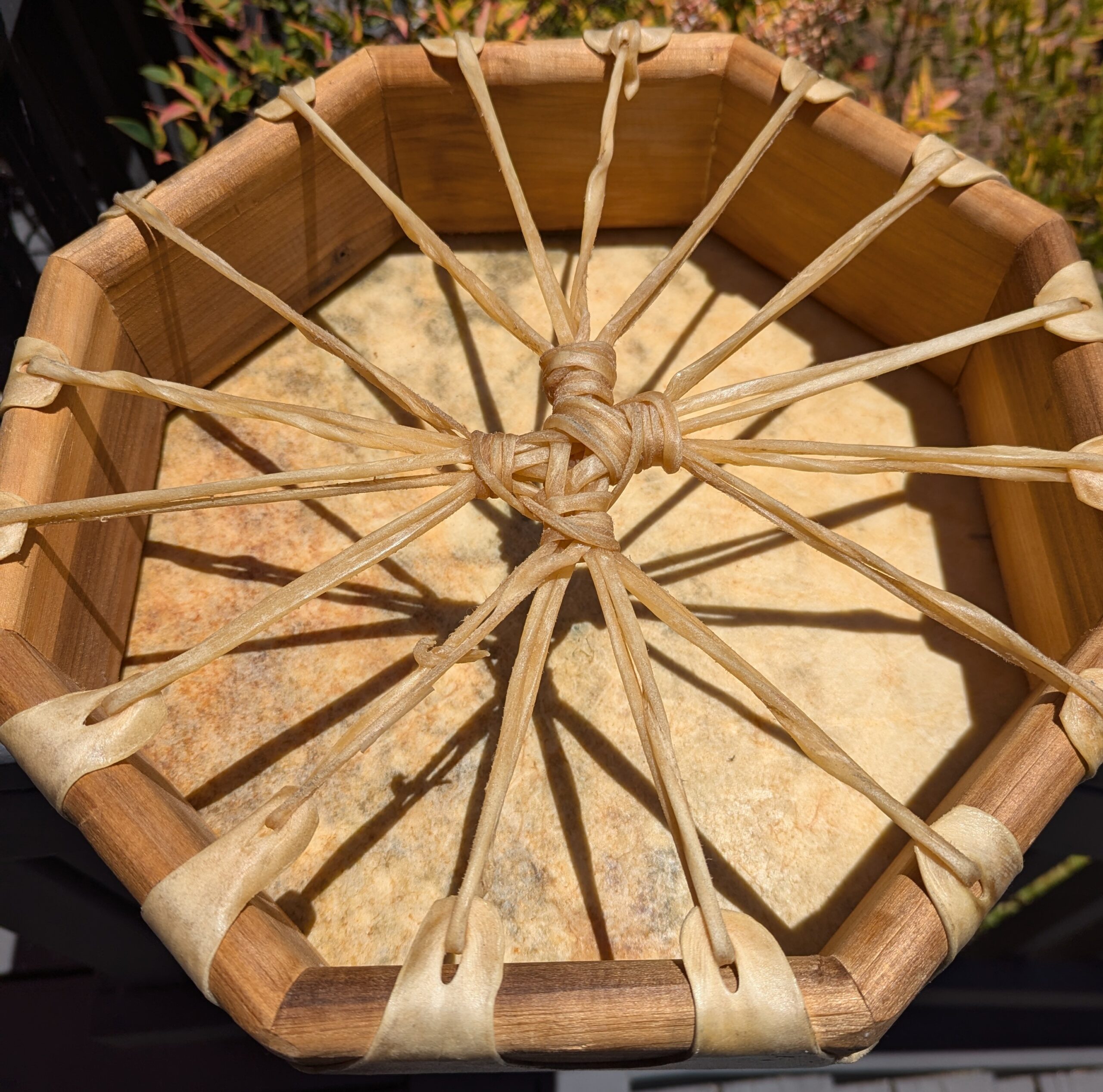
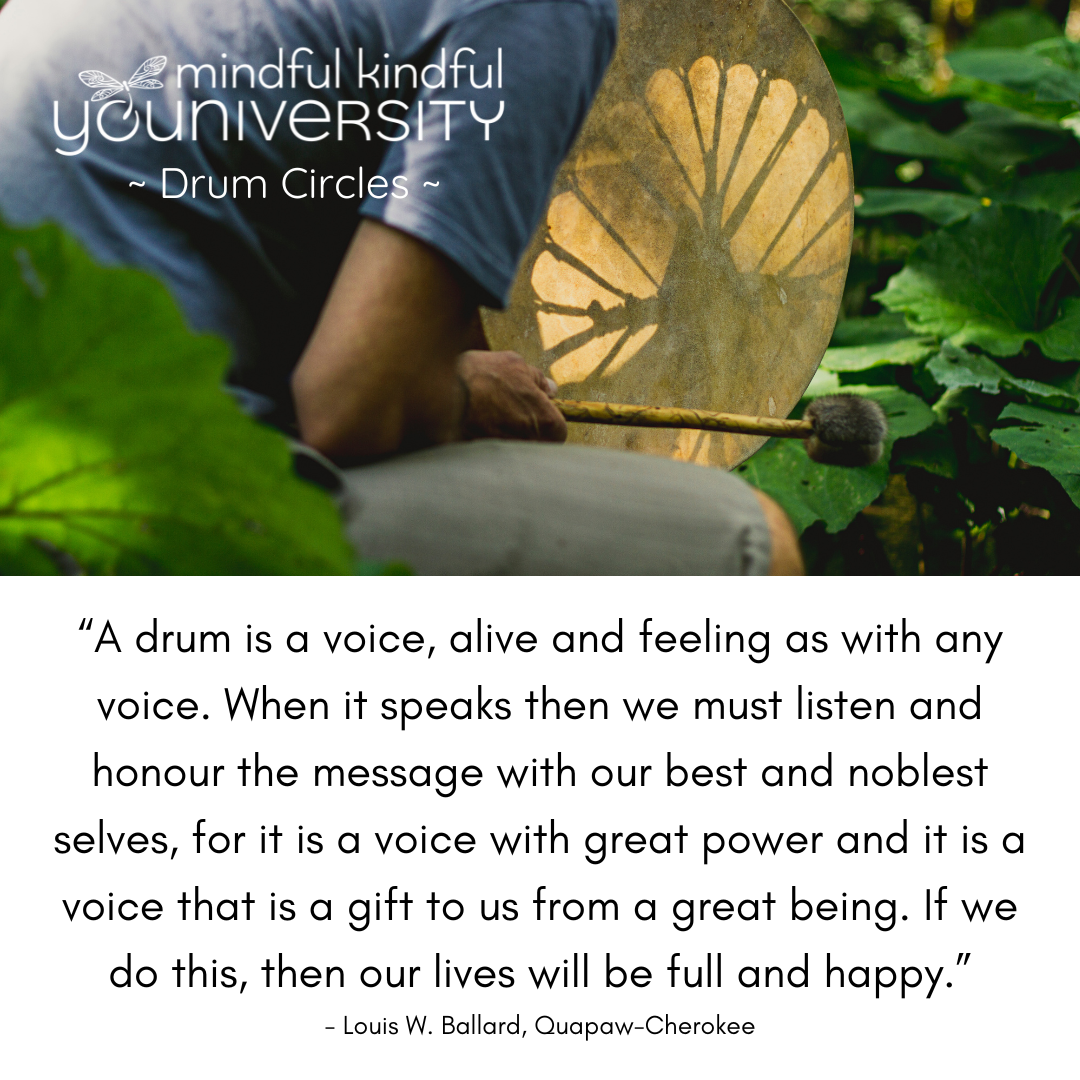
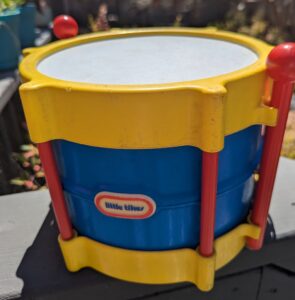
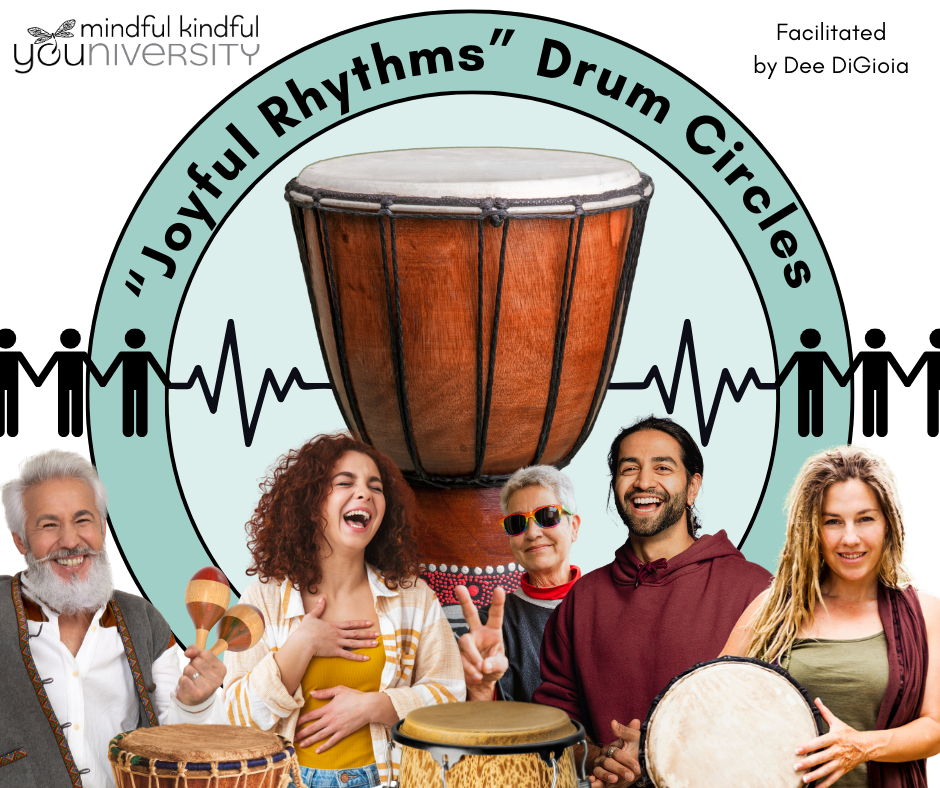
Similarly, the rise of our facilitated mindful drumming circles came out of creative imagination. I used drums with my special needs students in schools and started learning different ways to use rhythm and drums to positively impact their behavioral challenges. In so doing, once again I loved how it helped me to feel and deal with the stresses at work.
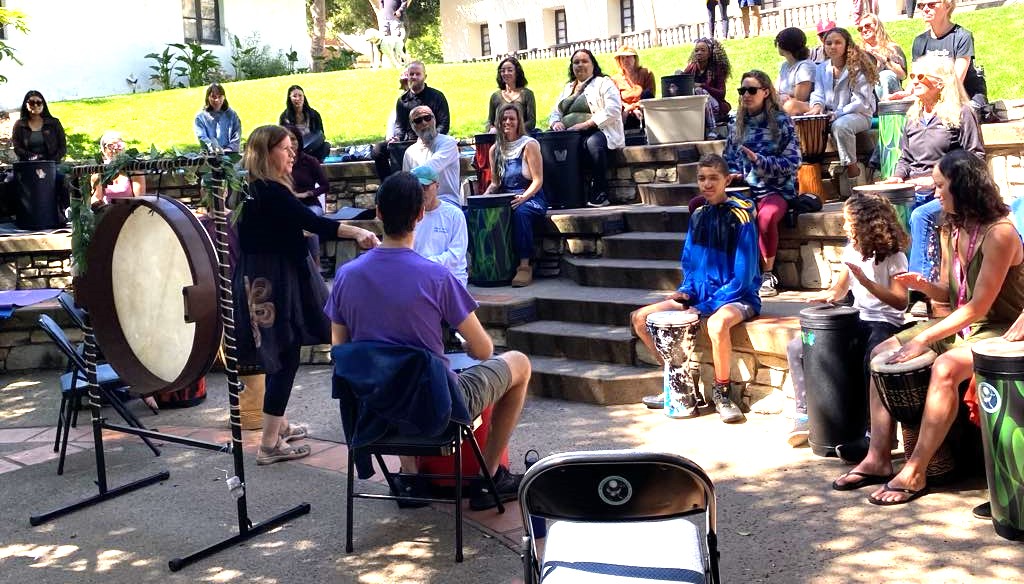
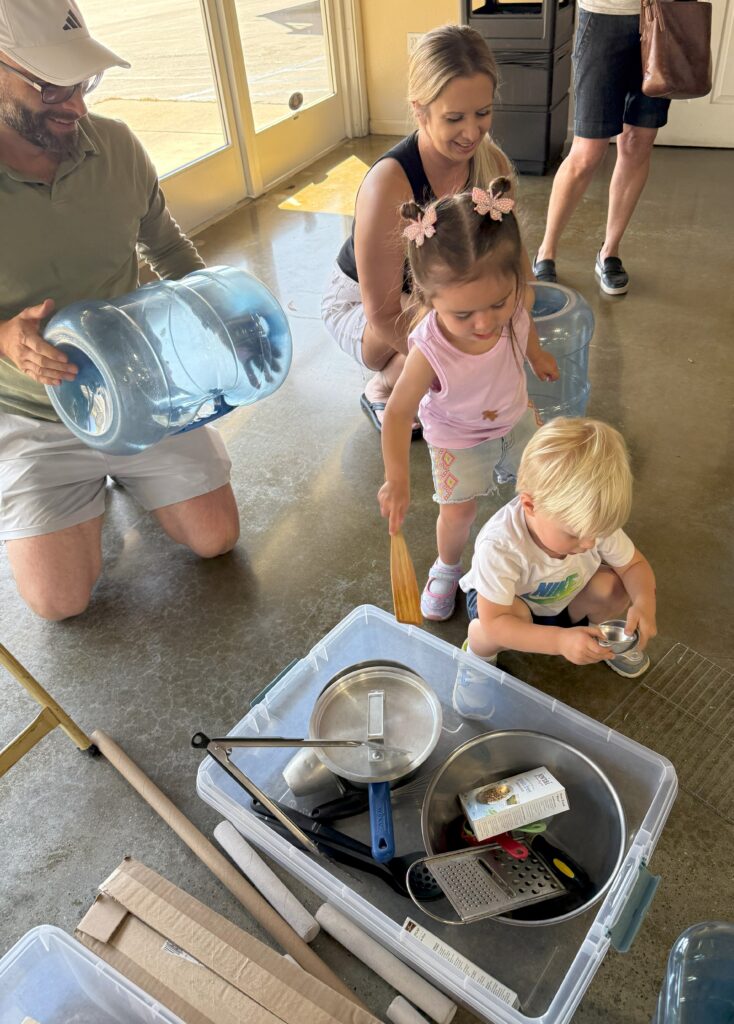
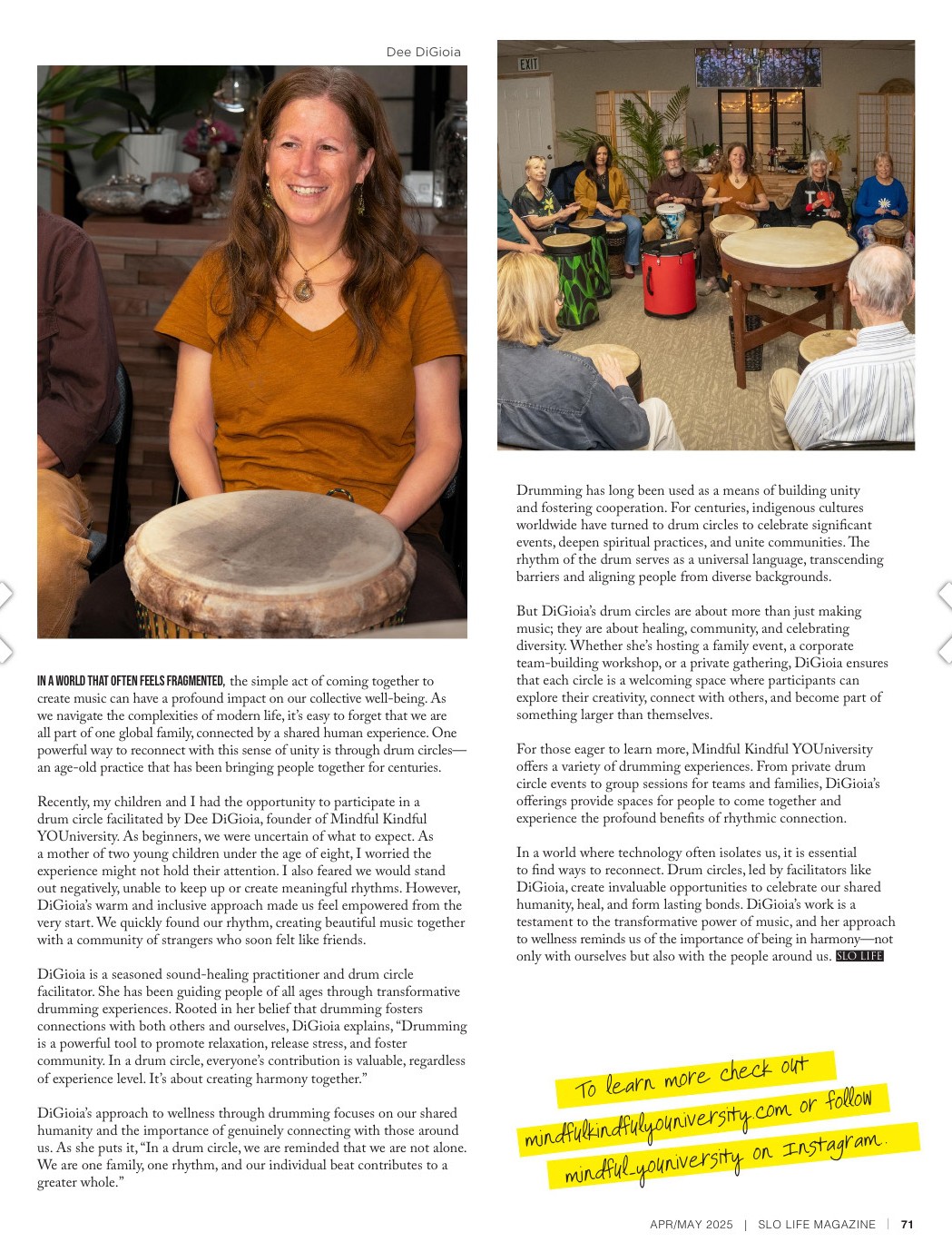
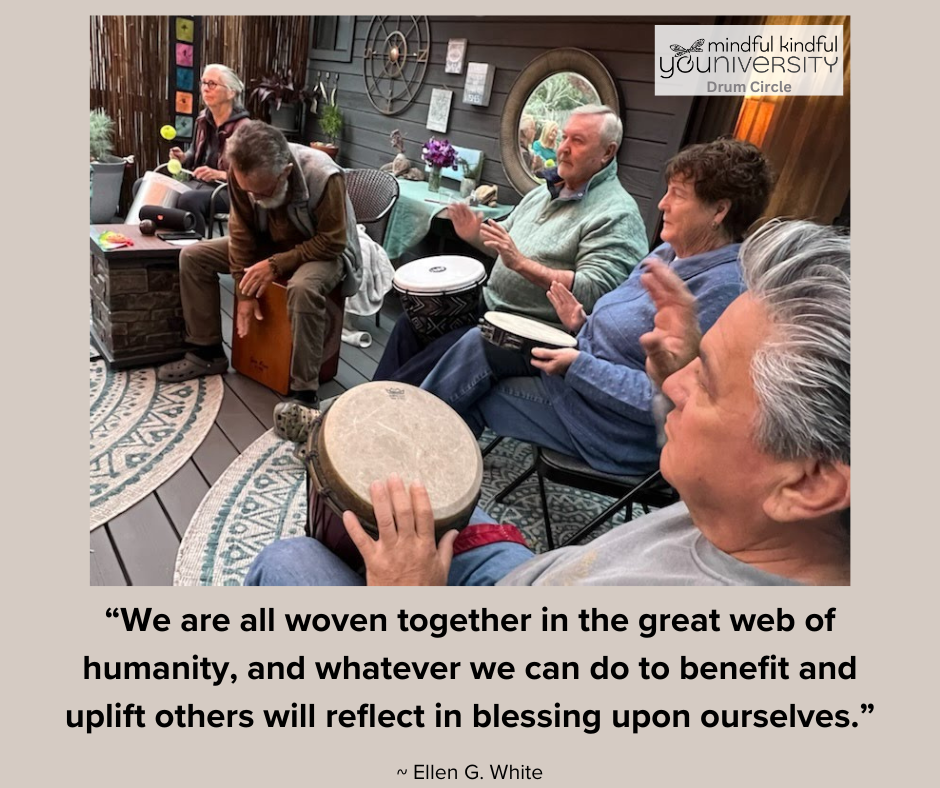
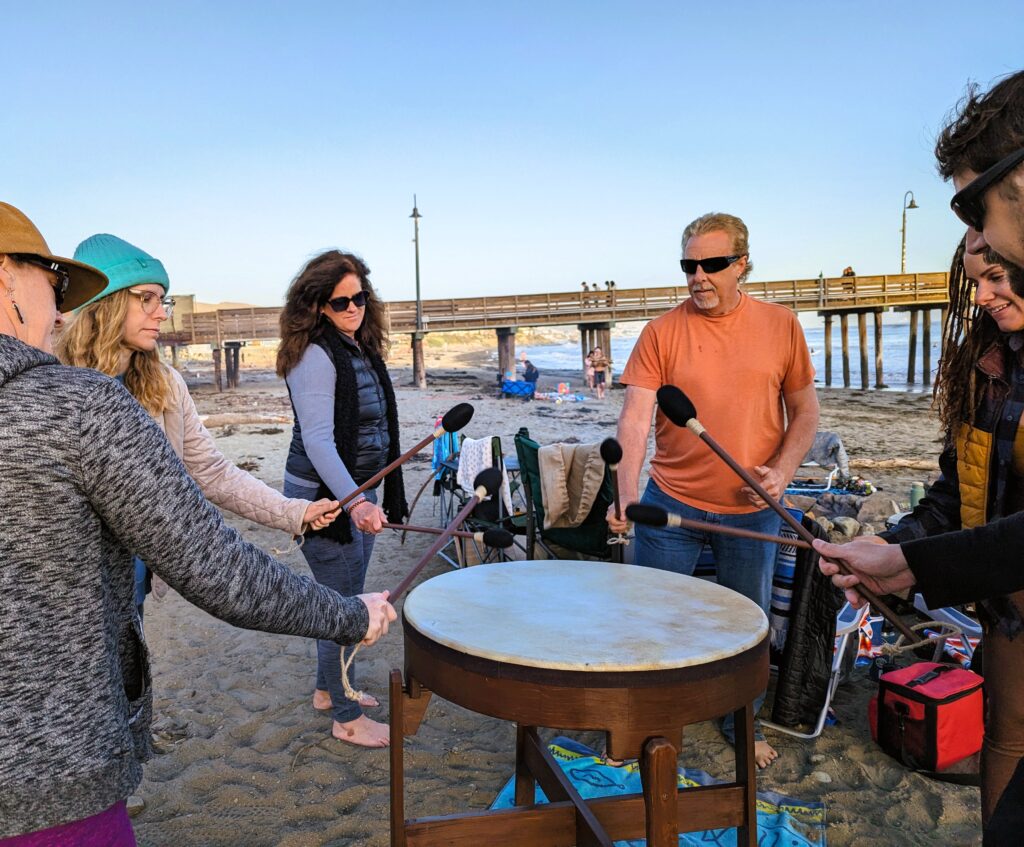
Three years ago, on my birthday (July 18), I told my partner I wanted to do a drum circle. Neither of us had ever even been to one. No training, no experience, no plan — just an impulse, or perhaps a calling, that felt too big to ignore.
At the end of that circle, people enthusiastically asked, “Can we do this again?” They, too, loved how it made them feel. We laughed, we created, we played on buckets and make-shift drums.
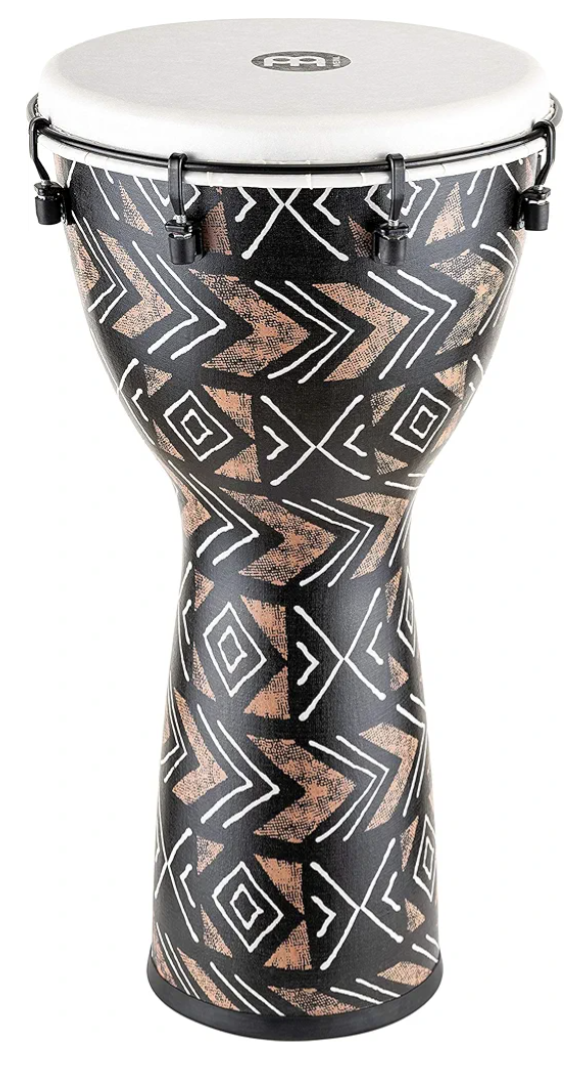
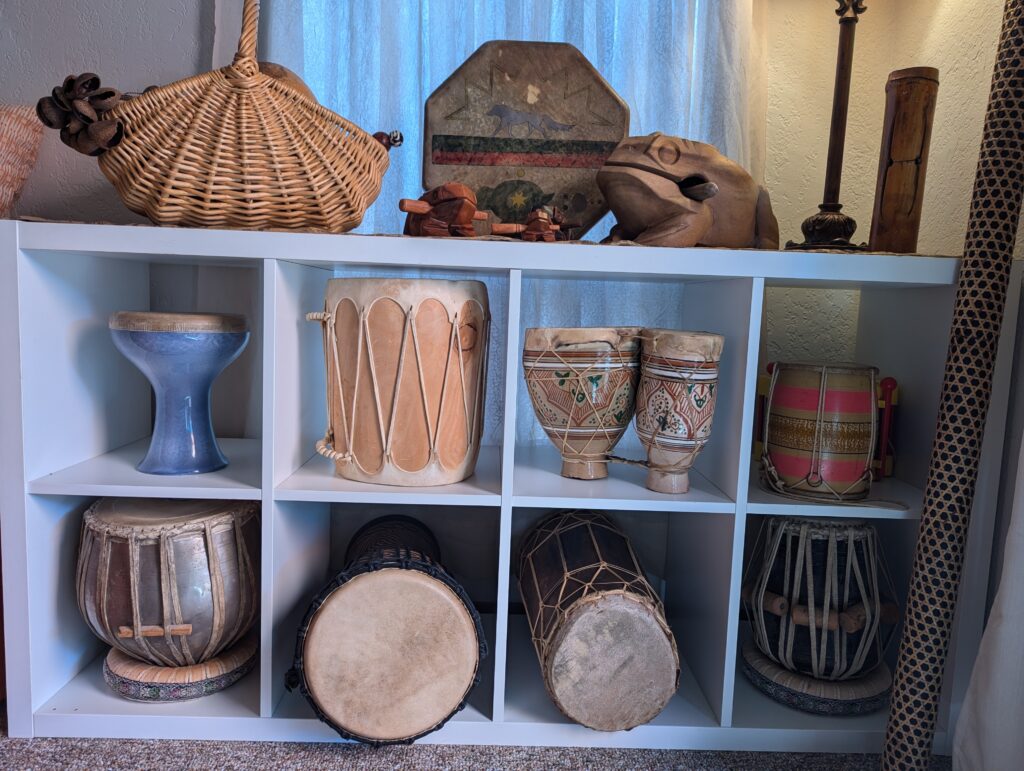
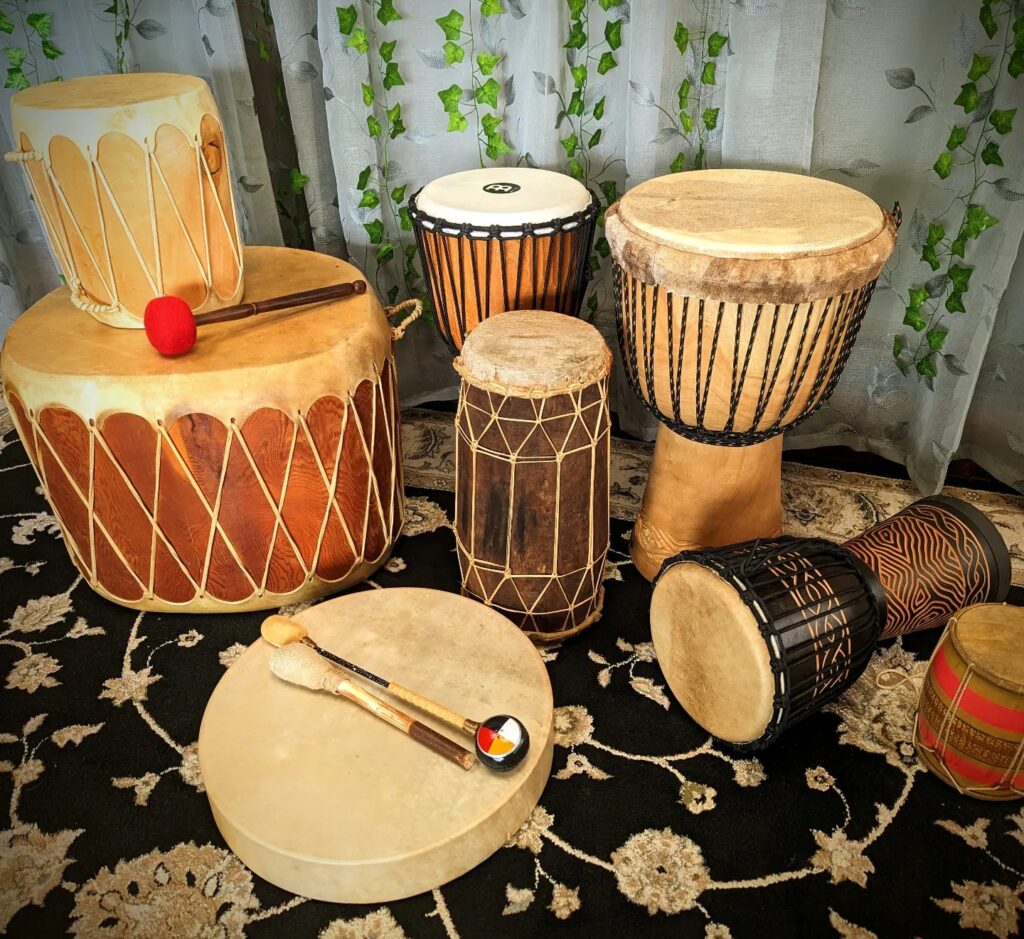
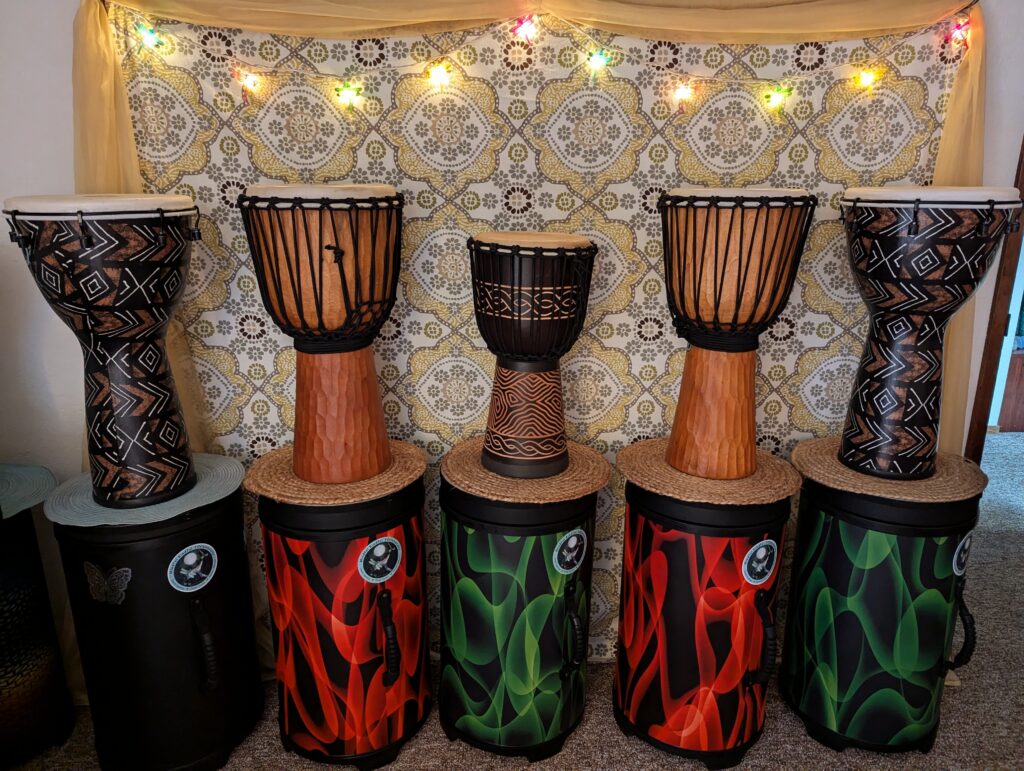
That question planted more what-ifs — imagining the best-case possibilities! What if I explored training as a drumming facilitator? What if this could be a type of sound healing experience that people can actually participate in? What if I purchased enough drums to eliminate any barriers to participating?
Of course the overprotective amygdala sounds the alarm from time to time — What if you look like a fool? What if people think I am “not a drummer” because I don’t know cultural rhythms or “how to play”? What if…? What if…?
I let those intrusive thoughts blow on by like leaves in the wind.
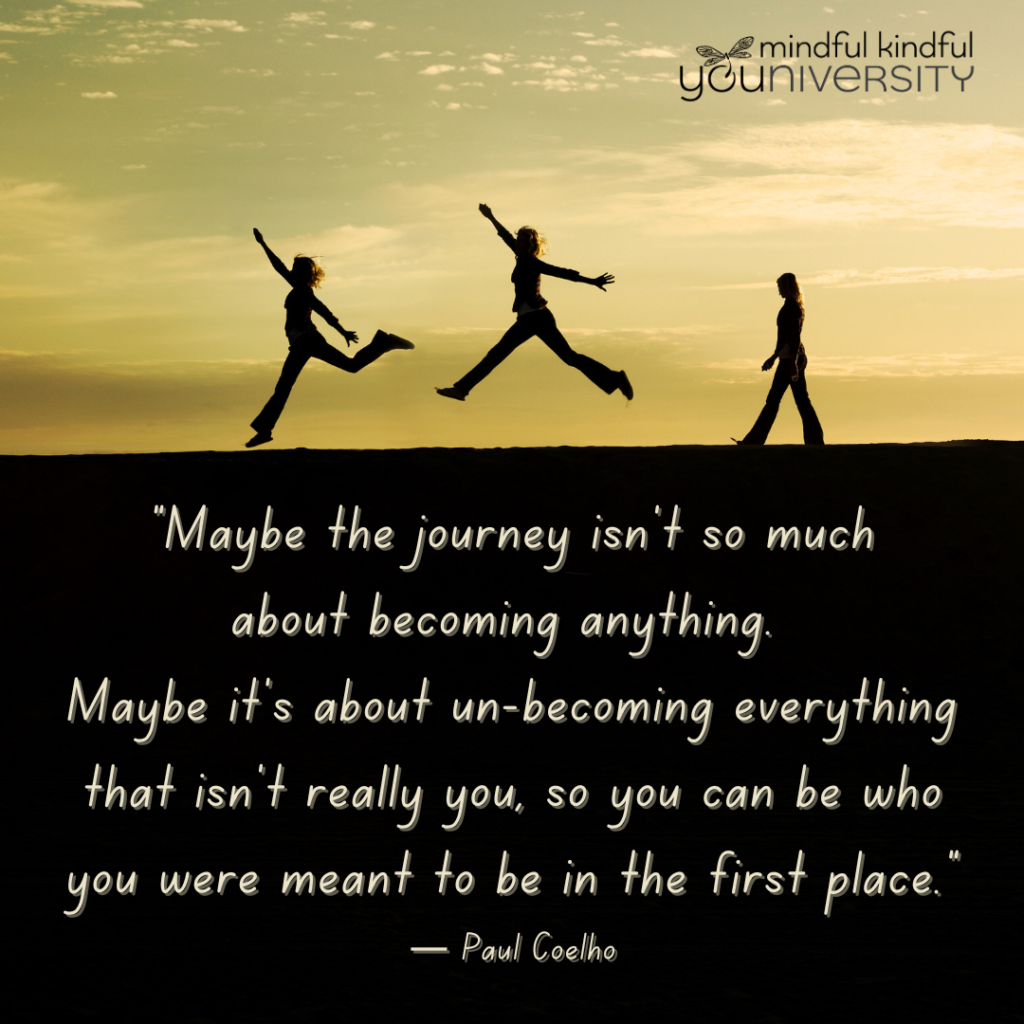
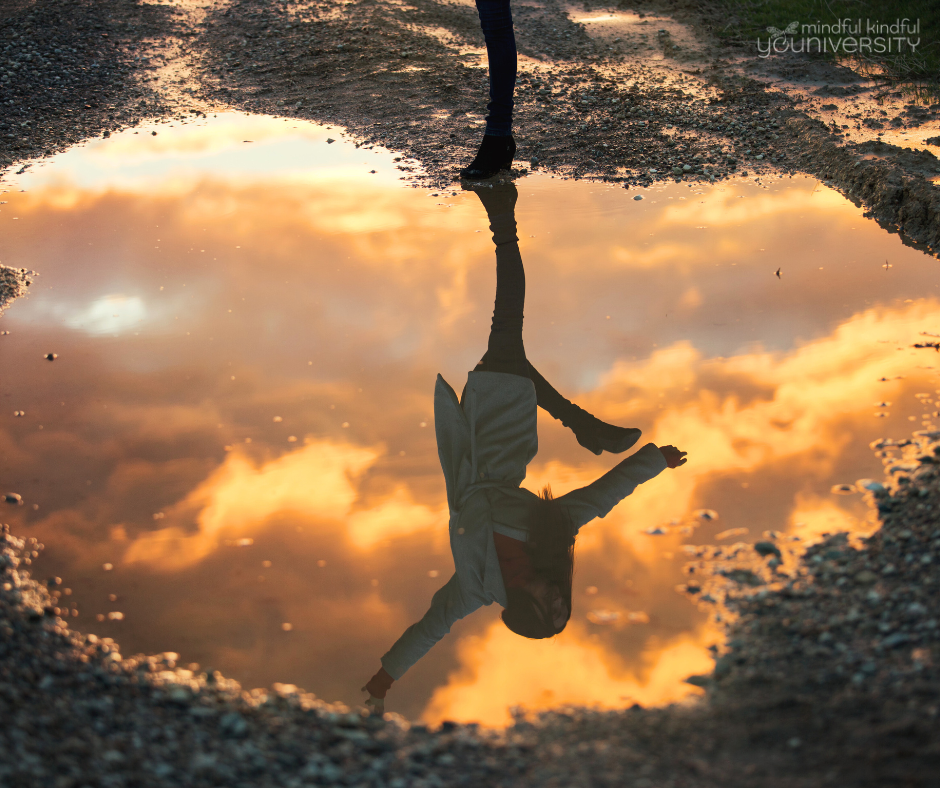
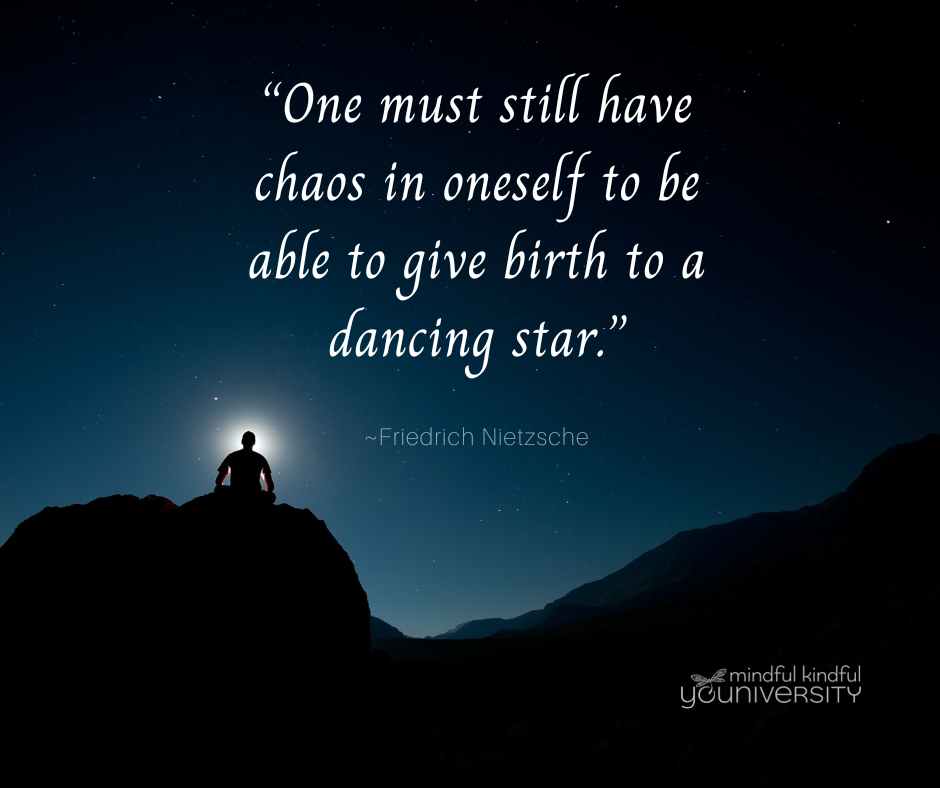
“There is freedom waiting for you, On the breezes of the sky, And you ask, “What if I fall?” Oh, but my darling, What if you fly?”
— Erin Hanson

The Question That Runs Backward
In the past year or two I began to reflect differently. Instead of potential doom thoughts — “What if this goes wrong?” or “What if I fail?” — I muse about “What if I had never started at all?” “What if I never left my career in the school system?”
Oh, how life would be so different!
As a speech-language therapist in the school system for years, it was literally chipping away at my mental and physical health. The caseload and workload was not sustainable, and the job was slowly stealing something from me — my passion and joie de vivre. Burnout isn’t a metaphor. One day, at school, my heart went so haywire I had to call 911. It was the final straw — the realization that the school system was going to keep taking from me until there was nothing left to give, so it was up to me to make a change. To fly the coop. To imagine the possibilities and potential for a completely different way of serving others, which I had begun paving the way for while still teaching.
What if I had never purchased a crystal sound bowl set? What if I hadn’t invited people to my first “sound bath”?
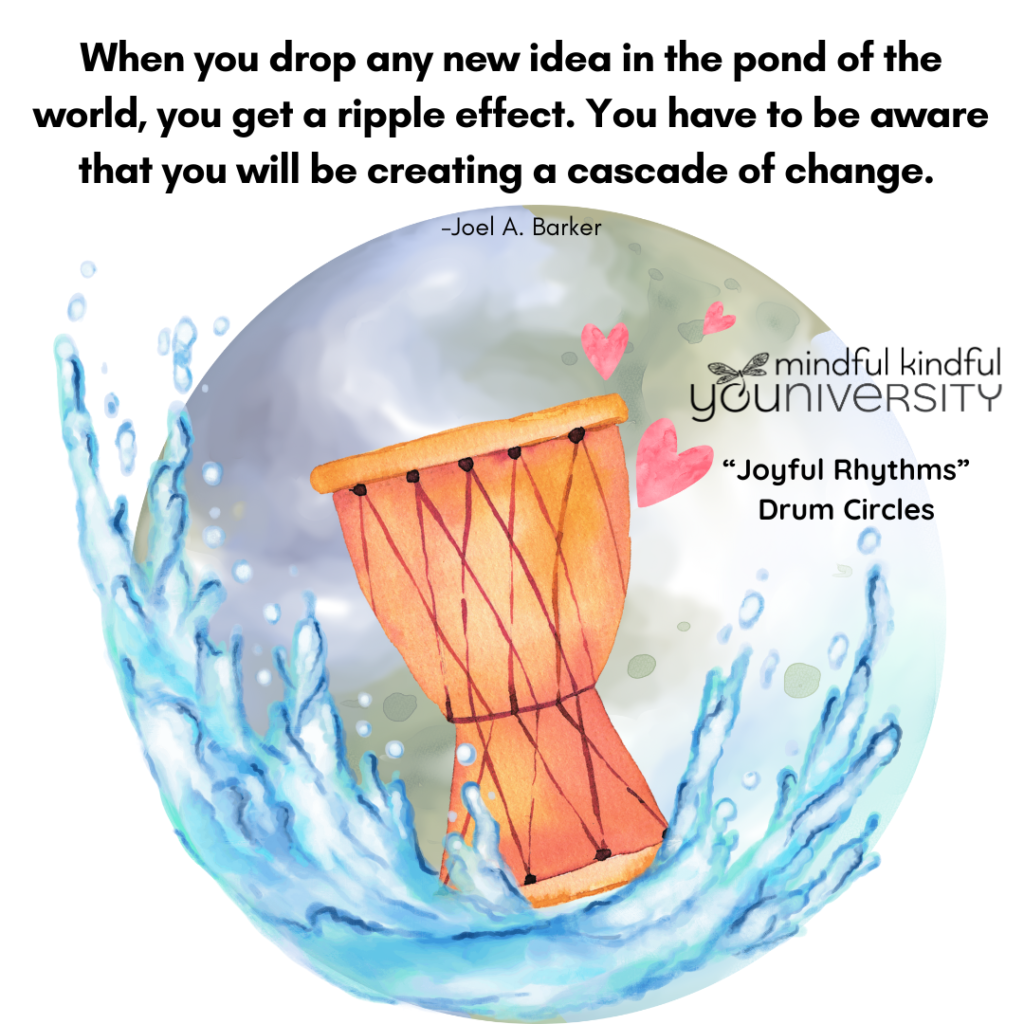
I think about the ripples I would not have made — the people I would not have met, the shifts I would not have witnessed together in sound.
What if I had never said “let’s do a drum circle” on my birthday?
I would not be facilitating at senior living centers — witnessing laughter, the spirit of play, and their genuine appreciation for participating in such a unique activity. I would not know the particular quiet that comes over a community circle who came in carrying grief, or loneliness, or even curiosity about trying something new — and left a little lighter.
Working with children for all those years taught me something I didn’t know I’d need later: the value of play, of laughter, of being okay with a perceived mistake. It turns out that lesson wasn’t just for the classroom. It was preparing me for a room full of adults who felt worried about “how to” drum for the first time.
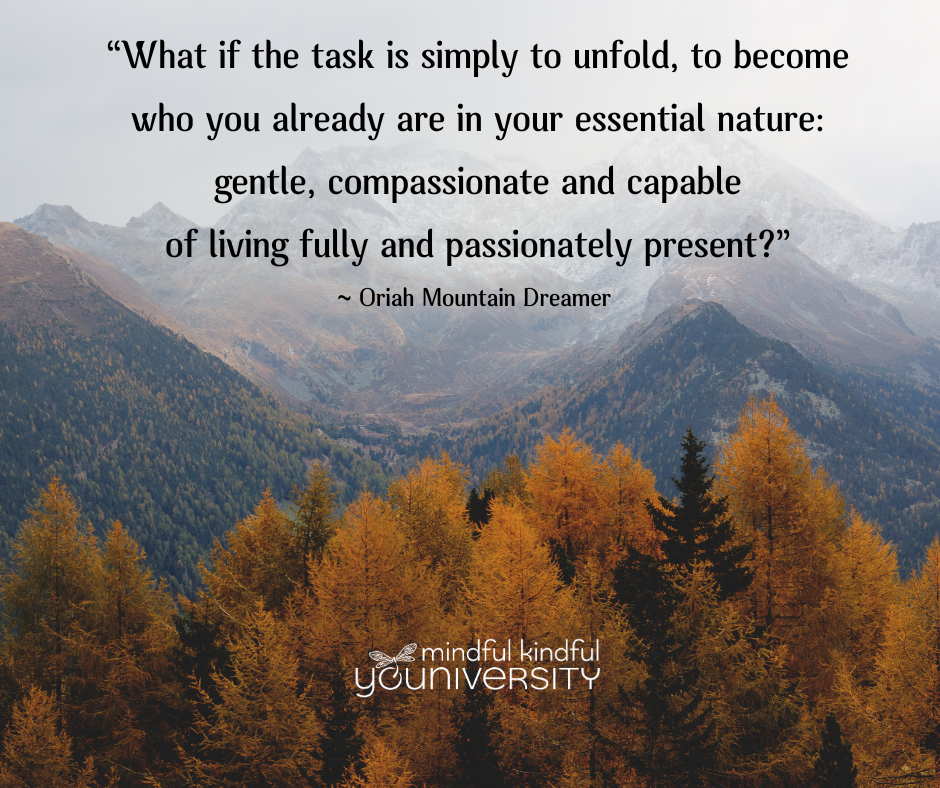
It’s the same imaginative muscle the what-ifs use. I just turned it around. And when I turned it around, what I found wasn’t fear — it was gratitude.

What If I Waited Until I Was “Good”?
This is the one I have to be honest about, because it’s still unresolved.
I never grew up around cultural drumming rhythms. I’ve tried, a few times, with a teacher — and it scrambles my brain. It doesn’t come easily to me the way it seems to for others. And the what-if here is a quieter, more persistent one: what if I’m not qualified to facilitate this? What if I “should” wait until I’m actually “good” at it?
I haven’t fully answered that what-if. I don’t think I need to.
What I’ve come to instead is this: our circles were never about getting the rhythm “right.” They’re about creative play — about a room full of people picking up a drum, some for the first time, and finding out that there is no wrong way to make good sounding rhythms together. If I had waited to feel qualified by someone else’s standard, I never would have started, and neither would most of the people who now call our circles the highlight of their month.
I still don’t know the traditional rhythms well. I’ve made peace with that — not by resolving it, but by realizing it was never the point.

Naming It, So You Can Use It
I don’t think I’m unusual in having a what-if brain. I think most people who feel deeply also imagine vividly — and that imagination can just as easily terrify you as it can show you what you would have missed.
Here’s what I’ve learned to do with mine:
-
-
- Notice the spiral early. The what-ifs almost always start small. Catching the first step down is easier than climbing back up from the bottom.
- Ask what you’d be waiting for. If the what-if is “what if I’m not ready” — ask what “ready” would even look like. Sometimes there’s no such finish line.
- Flip the question. Instead of what if this goes wrong, try what if I never tried at all? Let yourself actually picture that absence — the ripples that wouldn’t exist.
- Let unresolved things stay unresolved. Not every what-if needs an answer. Some just need to stop being the reason you don’t start.
- Remember: worst-case rarely arrives. Most of the time, the outcome is neutral. Sometimes — more often than we let ourselves believe — it’s the best thing that ever happened to us.
-
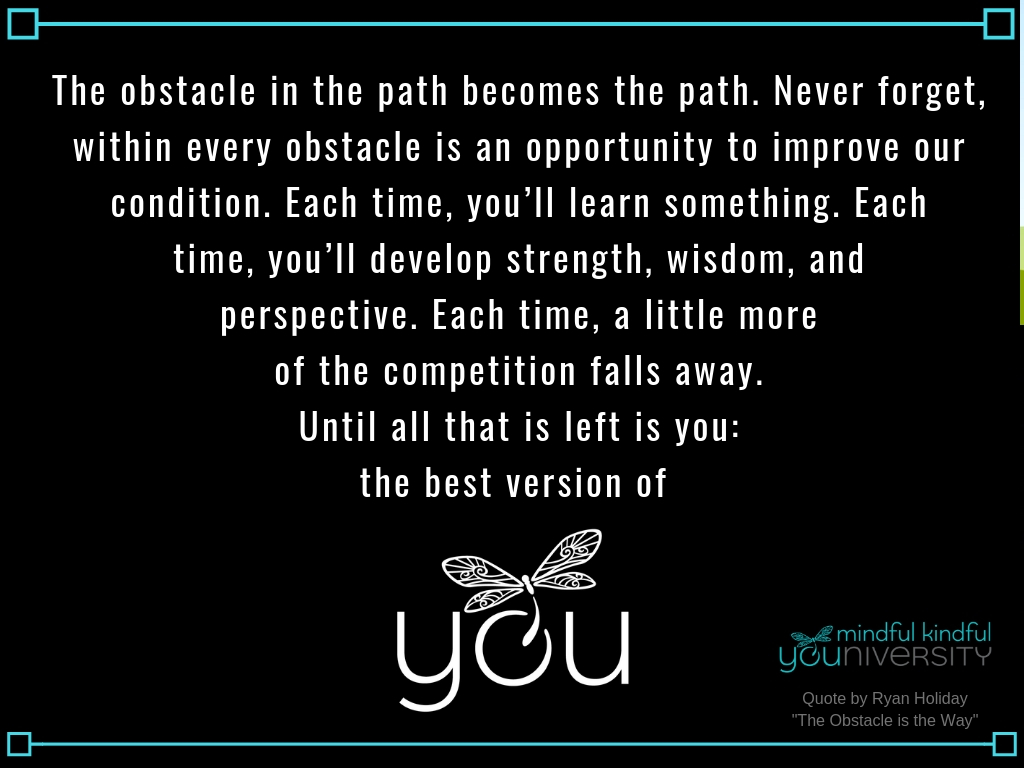
Four or five years ago, I was spiraling toward a depression I recognized from other chapters of my life. Leaving my “career” in special education was a leap of faith that may be one of the best decisions of my life. Today, I’m living the best version of my life I didn’t know how to imagine back then — one built on sound, rhythm, connection, healing, and showing other people that they’re capable of things they don’t yet believe they’re capable of. I am flying high!
If there’s a what-if quietly holding you back from something — a circle you haven’t joined, a thing you haven’t tried, a version of yourself you haven’t let out yet — I hope you’ll ask the other question too.
What if you never started? And what if, instead, you did?

~ In gratitude, Dee DiGioia, Mindful Kindful YOUniversity













 Learn about our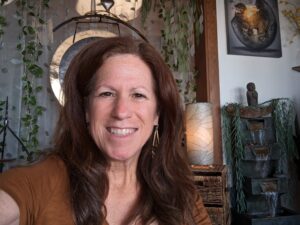











 Programs and Services
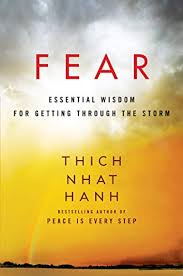 We recently finished reading this in our